DPF Cleaning with Ultrasonic Technology: Is It Worth the Investment?
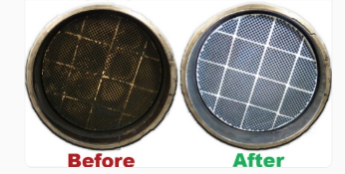
Diesel Particulate Filters (DPFs) have been standard equipment on diesel trucks and buses for over a decade, and keeping them clean is essential for engine performance and regulatory compliance. As DPFs collect soot and ash over time, they become restricted, reducing engine power, increasing fuel consumption, and eventually triggering engine derate or shutdown. Traditional DPF cleaning methods—air blowing, vacuuming, and thermal regeneration—have limitations in terms of effectiveness, speed, and cost. In recent years, ultrasonic cleaning has emerged as a promising alternative for DPF maintenance. But is it really worth the investment? In this article, we examine how industrial ultrasonic cleaner technology works for DPF cleaning, compare it to other methods, and help you decide if it is the right choice for your fleet or repair shop.
The DPF Cleaning Challenge
What Is a DPF and Why Does It Need Cleaning?
A Diesel Particulate Filter is an exhaust aftertreatment device that captures soot (particulate matter) from diesel engine exhaust. Over time, the filter accumulates both soot and ash.
- Exhaust backpressure increases, reducing engine efficiency and power
- Fuel consumption rises as the engine works harder
- Regeneration frequency increases, wasting more fuel
- Engine derate or shutdown can occur
- DPF damage is possible if the filter becomes too restricted
Limitations of Traditional DPF Cleaning Methods
Air blowing: Only removes loose surface-level contamination and cannot effectively reach deep ash.
Thermal regeneration: Effective for soot but does not remove ash and risks thermal damage.
Wet chemical cleaning: Uses hazardous chemicals and requires complex disposal.
How Ultrasonic DPF Cleaning Works
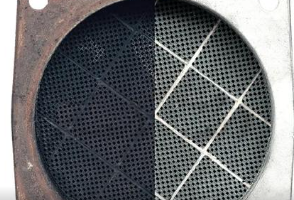
Ultrasonic DPF cleaning uses high-frequency sound waves to create cavitation bubbles in a heated detergent solution, scrubbing surfaces clean at a microscopic level.
Why Ultrasonic Works Well:
- Deep Penetration: Reaches every surface of every tiny channel.
- Micro-Scrubbing: Cavitation bubbles implode to dislodge trapped ash.
- All-Directional: Cleans uniformly from all sides.
- Substrate Safety: Gentle on delicate ceramic filter materials.
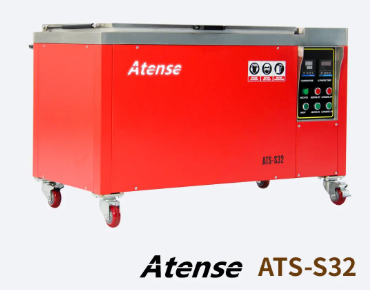
ATS-S32 Industrial Ultrasonic Cleaner
Key Features:
- Large-Capacity Tank for batch cleaning.
- Durable SUS304 Construction for corrosion resistance.
- Efficient V-Shaped Drainage Design.
- Heavy-duty casters for mobility.
Is Ultrasonic DPF Cleaning Worth the Investment?
For fleet operators, the investment often pays for itself within months by reducing downtime and eliminating outsourcing costs. For repair shops, it creates a high-margin, premium service offering that improves customer retention.
Conclusion
Industrial ultrasonic cleaner technology offers a superior alternative to traditional cleaning methods. It provides unmatched thoroughness, faster turnaround, and long-term cost efficiency. Visit Tense to explore industrial ultrasonic cleaning solutions configured for your DPF applications.
FAQ
A: Yes, it penetrates deep into the filter channels to remove contamination from the walls, restoring more flow capacity.
A: No, when configured correctly, the microscopic cavitation bubbles are perfectly safe for ceramic filter material.
A: Typically 1–2 hours per filter including rinse and drying.