Carbon-Clogged Injection Molds? Restore Performance with Ultrasonic Cleaning
Injection molds are exposed to high temperatures and continuous production cycles. Over time, carbon deposits, burnt residues, grease, and other contaminants can accumulate inside mold cavities, vents, and cooling channels. These contaminants not only affect product quality but also reduce production efficiency and increase maintenance costs.
Traditionally, cleaning carbon-clogged molds often requires manual disassembly and labor-intensive scrubbing. This process is time-consuming, inconsistent, and may even risk damaging precision mold surfaces.
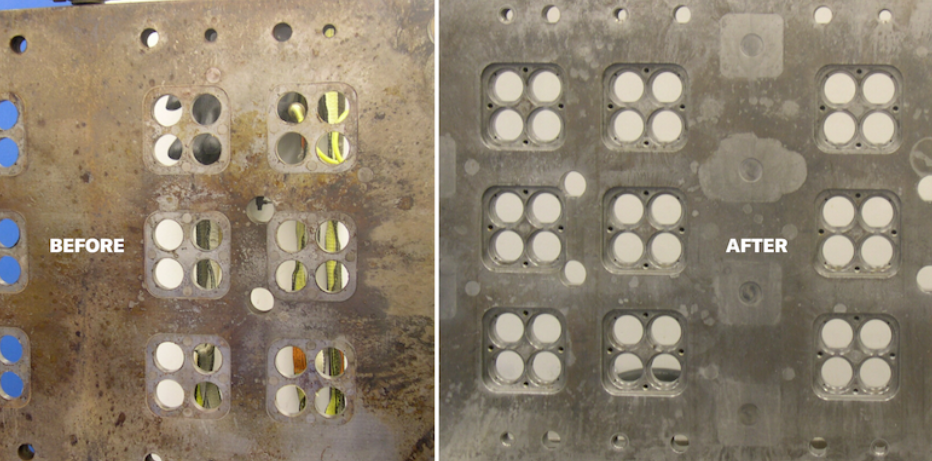
Common Challenges in Mold Cleaning
Manufacturers frequently encounter the following problems:
- Carbon buildup in mold cavities and venting areas
- Blocked cooling channels affecting heat transfer efficiency
- Residual grease and production contaminants
- Long machine downtime during maintenance
- High labor costs associated with manual cleaning
When contaminants accumulate, mold performance gradually declines, leading to defective products, longer cycle times, and increased maintenance frequency.
Ultrasonic cleaning delivers remarkable performance in removing oil stains and carbon deposits from workpieces. However, it shows limited cleaning efficiency against thick sludge and heavy greasy dirt. If your parts carry a large amount of sludge, direct ultrasonic washing will fail to achieve ideal cleaning results.
We recommend adding a pre-cleaning procedure before ultrasonic treatment. Equipped with an industrial high-pressure spray washer, the pre-washing station blasts away most sludge, heavy grease and large dirt residues via powerful water jets. After removing bulk contaminants in advance, workpieces go into the ultrasonic tank for deep cleaning of fine oil and carbon deposits hidden in tiny gaps.
The matched spray and ultrasonic cleaning process greatly improves finished cleaning quality, shortens overall processing time and extends the service life of ultrasonic cleaning fluid. Tianshi supplies independent ultrasonic cleaners and supporting spray pre-wash equipment to build a complete tailored cleaning line for your production needs.

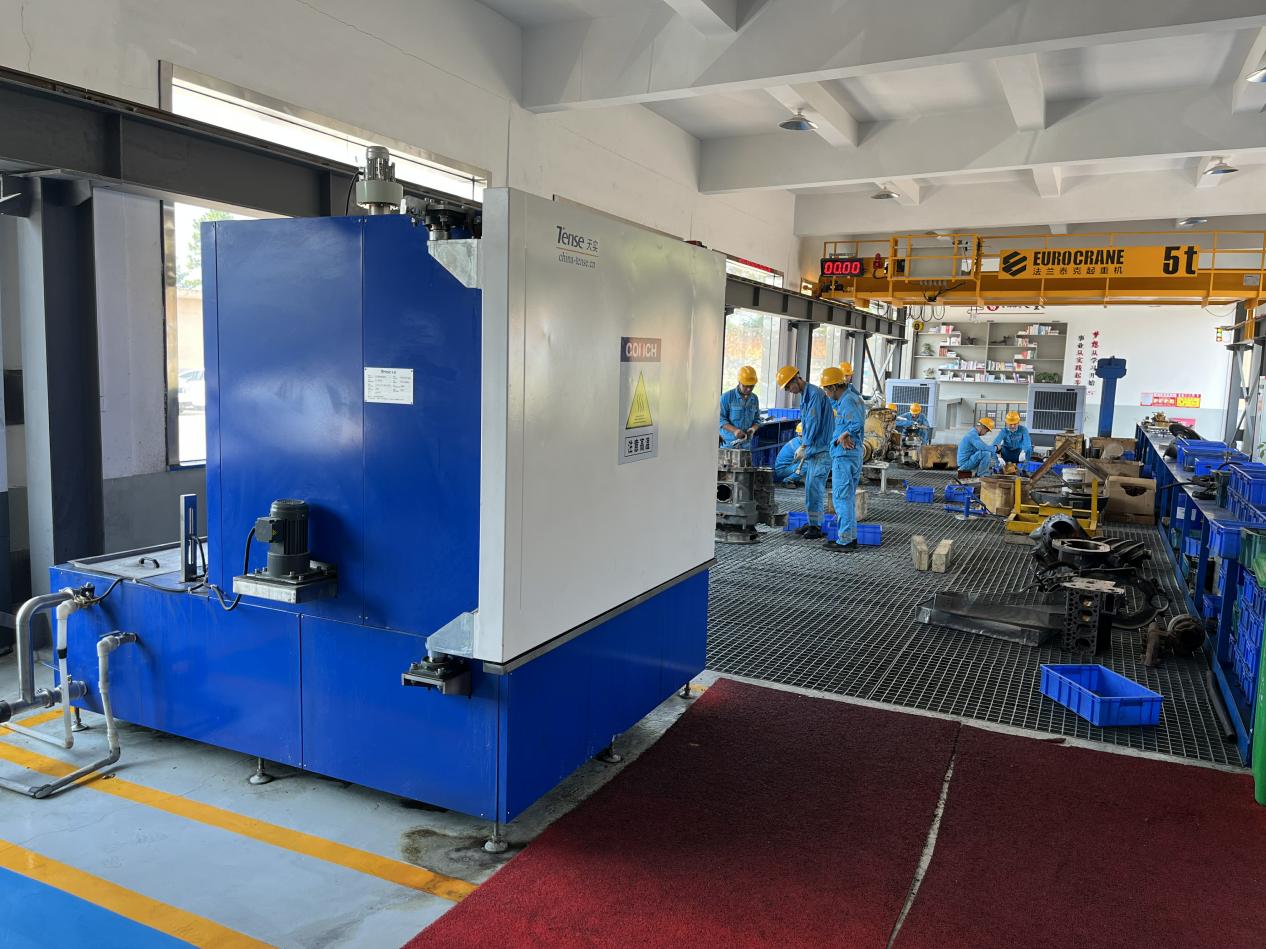
Key Advantages
No Extensive Manual Cleaning Required
The automated cleaning process significantly reduces labor requirements and improves cleaning consistency.
Deep Cleaning of Complex Structures
Ultrasonic waves can reach narrow grooves, vent holes, and intricate mold features that are difficult to clean manually.
Reduced Downtime
Faster cleaning cycles help shorten maintenance periods and return molds to production more quickly.
Improved Mold Performance
Removing carbon deposits and contaminants helps restore heat transfer efficiency and maintain stable product quality.
Protection of Precision Surfaces
Unlike aggressive mechanical cleaning methods, ultrasonic cleaning minimizes the risk of damaging delicate mold surfaces.
Typical Applications
This cleaning solution is suitable for:
- Plastic injection molds
- Die-casting molds
- Automotive component molds
- Precision industrial molds
- Production tooling and fixtures
Conclusion
Carbon buildup is an unavoidable challenge in mold manufacturing and maintenance. However, with the right cleaning technology, molds can be restored efficiently without excessive manual labor.
By combining high-pressure spray cleaning with ultrasonic technology, manufacturers can achieve thorough contaminant removal, reduce downtime, improve mold performance, and extend the service life of valuable tooling assets.